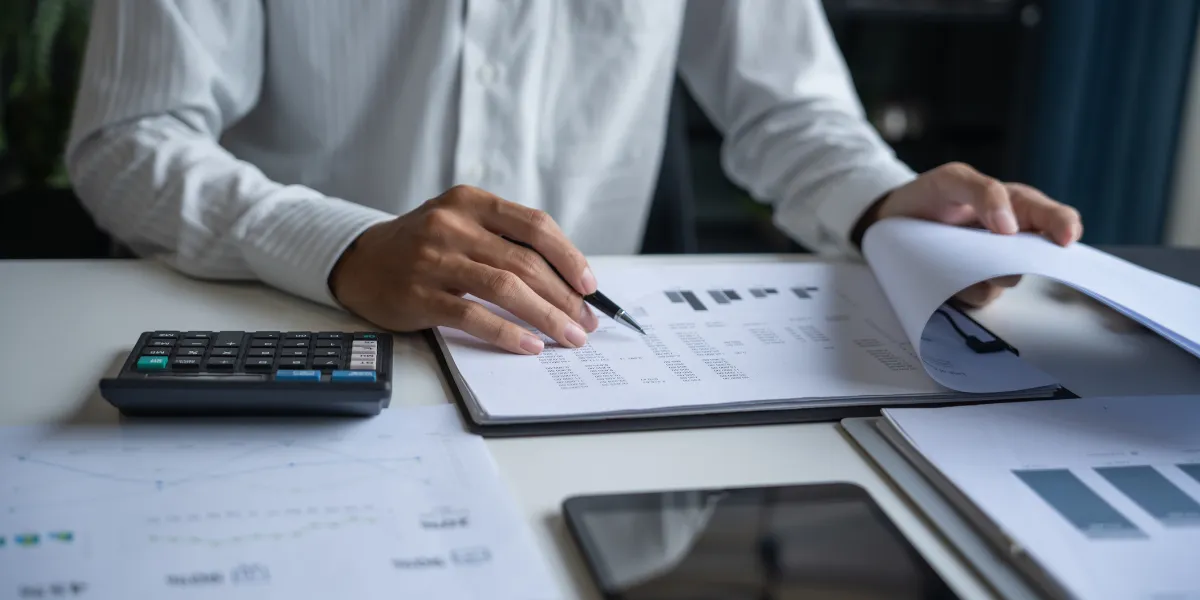
Managing a successful retail business involves much more than selling products and serving customers. Behind every profitable retail store is a well-organized accounting system that tracks inventory, monitors cash flow, records daily sales, manages supplier payments, and prepares accurate financial reports. Whether you own a clothing boutique, grocery store, hardware shop, convenience store, gift shop, or specialty retail outlet, understanding accounting for retail business is essential for maintaining profitability and supporting long-term growth.
Many retail business owners spend most of their time managing inventory, helping customers, and marketing their products, leaving bookkeeping until the end of the month—or worse, until tax season. Unfortunately, delayed accounting often leads to inventory discrepancies, cash flow problems, inaccurate financial statements, and unnecessary tax complications. By implementing proper accounting systems from the beginning, retailers gain a clearer understanding of their financial health and can make smarter business decisions.
Retail accounting presents unique challenges because businesses deal with inventory purchases, point-of-sale (POS) transactions, customer returns, supplier invoices, seasonal demand, and sales taxes. Without organized financial records, even businesses with strong sales can struggle with profitability.
This guide explains everything Canadian retailers need to know about accounting for retail business, including bookkeeping basics, inventory management, accounting software, tax responsibilities, financial reporting, and practical strategies for improving business performance.
Why Retail Businesses Need Accurate Accounting
Retail businesses process dozens—or even hundreds—of financial transactions every day. Every product sold affects inventory, revenue, taxes collected, and cash flow.
Without accurate accounting, store owners may struggle to answer important questions such as:
- Which products generate the highest profit?
- Are operating expenses increasing?
- Is inventory being overstocked?
- Is the business generating positive cash flow?
Reliable accounting provides the information needed to make informed decisions rather than relying on assumptions.
It also helps identify financial problems before they become serious.
Benefits of Good Retail Accounting
A strong accounting system allows retailers to:
- Monitor daily sales
- Track inventory accurately
- Improve cash flow
- Prepare tax returns
- Measure profitability
Better financial visibility supports smarter business growth.
Setting Up Your Retail Accounting System
The best time to organize your accounting system is before your business begins operating.
Start by:
- Opening a business bank account
- Separating personal and business finances
- Selecting accounting software
- Creating expense categories
- Establishing bookkeeping procedures
Organized financial records save time throughout the year and simplify tax preparation.
Even small retail businesses benefit from professional accounting practices.
Daily Bookkeeping Best Practices
Retail bookkeeping requires consistency.
Daily bookkeeping tasks include:
- Recording sales
- Depositing cash receipts
- Reconciling POS reports
- Recording supplier invoices
- Tracking expenses
Completing these tasks every day prevents errors from accumulating over time.
Accurate bookkeeping also makes monthly financial reporting significantly easier.
Inventory Management
Inventory represents one of the largest investments for most retail businesses.
Poor inventory management often leads to:
- Overstocking
- Stock shortages
- Lost sales
- Excess storage costs
Retailers should regularly monitor:
- Inventory purchases
- Product sales
- Inventory adjustments
- Damaged stock
- Shrinkage
Accurate inventory records improve purchasing decisions while increasing profitability.
Understanding Cost of Goods Sold
Cost of Goods Sold (COGS) measures the direct cost of products sold during a specific period.
COGS generally includes:
- Wholesale inventory purchases
- Freight costs
- Manufacturing costs (where applicable)
Tracking COGS accurately helps calculate gross profit and evaluate pricing strategies.
Businesses that ignore inventory costs often overestimate profitability.
Using Point-of-Sale Systems
Modern POS systems simplify retail accounting by automatically recording sales data.
Many systems integrate directly with accounting software.
Common benefits include:
- Automatic sales tracking
- Inventory updates
- Payment reconciliation
- Sales reports
Automation reduces manual data entry while improving financial accuracy.
Choosing software that integrates with your accounting platform saves considerable administrative time.
Choosing Accounting Software
Retail businesses should use accounting software designed for inventory-based operations.
Popular options include:
- QuickBooks Online
- Xero
- Sage Accounting
- FreshBooks
- Wave
Look for features such as:
- Inventory tracking
- Bank reconciliation
- Financial reporting
- Tax management
- POS integration
Cloud-based software also allows access from multiple devices.
Managing Cash Flow
Strong sales do not always guarantee healthy cash flow.
Retail businesses should regularly monitor:
- Supplier payments
- Inventory purchases
- Payroll
- Rent
- Utilities
Cash flow forecasting helps ensure sufficient funds remain available for daily operations.
Understanding seasonal trends also supports better budgeting.
Sales Tax Responsibilities
Retailers generally collect applicable sales taxes from customers.
Important responsibilities include:
- Recording taxable sales
- Tracking tax collected
- Filing tax returns
- Maintaining supporting records
Keeping tax records organized reduces filing errors and simplifies audits if they occur.
Retailers operating in multiple provinces should understand applicable tax obligations.
Financial Reports Every Retailer Should Review
Financial reports provide valuable insight into business performance.
Review reports such as:
- Profit and loss statement
- Balance sheet
- Cash flow statement
- Inventory reports
- Sales reports
Monthly financial analysis helps identify opportunities for improvement.
Regular reporting also supports better purchasing decisions.
Common Retail Accounting Mistakes
Many retailers experience financial difficulties because of avoidable accounting errors.
Common mistakes include:
- Mixing personal and business finances
- Ignoring inventory counts
- Poor cash reconciliation
- Delayed bookkeeping
- Incorrect tax calculations
- Missing supplier invoices
Correcting these issues early improves financial stability.
When to Hire a Professional Accountant
Although many retailers manage daily bookkeeping internally, professional accounting support often becomes valuable as businesses grow.
Consider professional assistance if:
- Inventory becomes complex.
- Sales increase significantly.
- Payroll expands.
- Tax obligations become more complicated.
Professional advice can improve tax planning while ensuring compliance.
Tips for Better Financial Management
Successful retailers develop disciplined financial habits.
Helpful practices include:
- Review reports monthly
- Reconcile bank accounts regularly
- Count inventory frequently
- Monitor profit margins
- Control operating expenses
Small improvements in financial management often produce significant long-term benefits.
Conclusion
Understanding accounting for retail business is essential for every Canadian store owner who wants to build a profitable and sustainable company. Accurate bookkeeping, organized inventory management, reliable accounting software, and consistent financial reporting provide the foundation for smarter business decisions and healthier cash flow.
Whether you operate a small independent shop or manage multiple retail locations, investing time in proper accounting practices helps reduce financial stress, improve profitability, and prepare your business for long-term success.
FAQs
What is accounting for retail business?
Accounting for retail business involves recording sales, managing inventory, tracking expenses, reconciling payments, preparing financial reports, and maintaining tax compliance.
Why is inventory management important in retail accounting?
Inventory directly affects profitability, cash flow, and cost of goods sold. Accurate inventory records help prevent shortages, overstocking, and financial reporting errors.
Which accounting software is best for retail businesses?
Many retailers use QuickBooks Online, Xero, Sage Accounting, FreshBooks, or Wave because they support inventory management, reporting, and tax tracking.
How often should retail bookkeeping be updated?
Ideally, bookkeeping should be updated daily or weekly to maintain accurate financial records and simplify month-end reporting.
Should small retail businesses hire an accountant?
Many retailers benefit from professional accounting support as their businesses grow, particularly when inventory, payroll, tax obligations, or financial reporting become more complex.