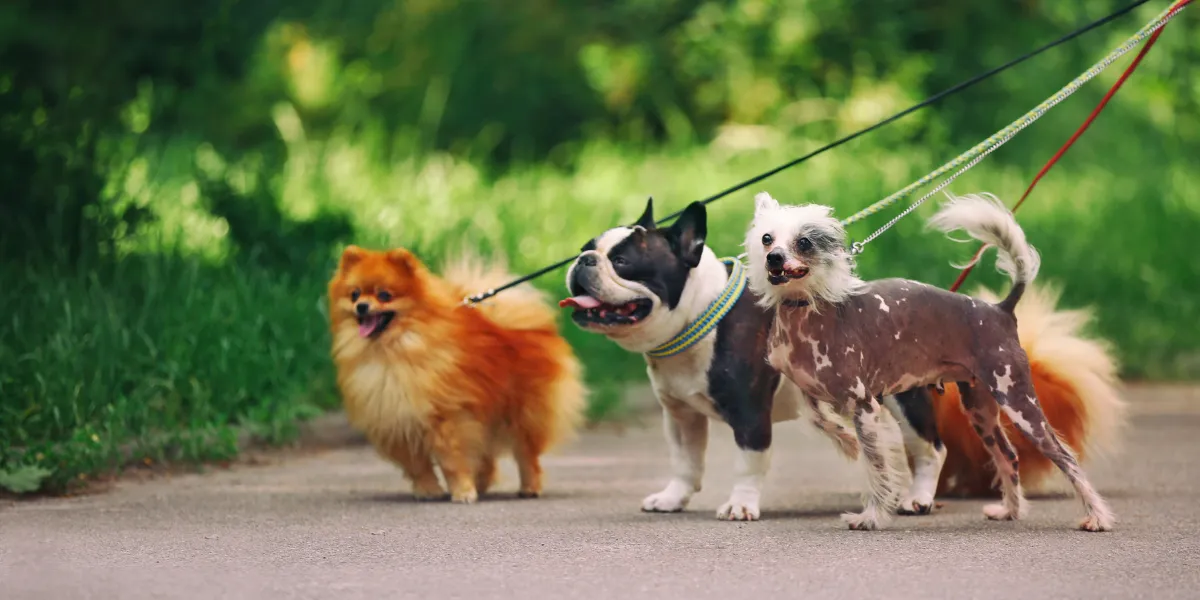
Starting a dog walking business can turn a love of dogs into paid work, but dependable income takes more than a leash and a few social posts. You need to earn pet owners’ trust, plan routes that make financial sense, handle dogs safely and understand the basic rules that apply where you operate. A schedule filled with low-priced walks spread across a wide area can leave you busy without making much money.
This guide explains how to shape a dog walking service for your local market, set prices around your actual costs and find clients who are a good fit. It also covers business registration, insurance questions, client agreements, record keeping and ways to build repeat bookings. Requirements and demand vary across Canada, so confirm provincial and municipal rules in your area before you start taking bookings. The best starting point is a clear service, a safe operating plan and a realistic calculation of how much each appointment needs to earn.
Choose Your Dog Walking Service and Target Area
Before you advertise, decide what kind of dog walking you want to provide. Options might include private walks, small-group walks, puppy visits, senior-dog outings or short midday visits for feeding and bathroom breaks. Each service needs a different amount of time and responsibility. A one-on-one walk may suit dogs that are reactive or need individual attention; a group walk can serve more clients per trip, but requires careful matching, handling skill and a route where group walking is appropriate.
Then define a compact service area. Travel time can quietly destroy your earning potential: driving across town for a single short walk adds fuel, parking and unpaid time. Start with a few neighbourhoods you can reach efficiently, and look for demand among people with predictable schedules, such as commuters or shift workers. Check whether local apartment buildings, workplaces or community groups permit business flyers or promotional posts before using them.
Research what other local walkers offer, but do not copy their services or prices without checking whether their business model matches yours. Record the type and length of walks, booking windows, group size, service radius and cancellation terms you see advertised. That gives you a practical picture of the market without assuming another walker’s price is profitable.
Make a simple service plan:
- Core service: Choose the main walk length and whether it is private or shared.
- Ideal client: Decide which dog and owner needs you can handle well.
- Service area: Set boundaries that keep travel manageable.
- Availability: Choose specific time blocks you can reliably serve.
- Limits: Define the number, size or behaviour profile of dogs you can safely manage.
A focused offer is easier to explain and schedule than “I walk any dog, anywhere, at any time.”
Set Up the Business and Check Local Requirements
Many independent walkers begin as a sole proprietor because it is a straightforward structure, but the right choice depends on your situation, risk tolerance and plans to hire. A sole proprietorship is not a separate legal entity from its owner, and its business income is generally reported on the owner’s personal tax return. Registering a business name or obtaining a business number may be required depending on your province, territory, business name and tax accounts. Federal guidance recommends checking the registration steps that apply to your location and structure.
There is no single Canada-wide dog walker permit that replaces local checks. Contact your municipality and review the rules that may apply to commercial activity, dog licensing, leash use, off-leash areas, park access, and the number of dogs one person may handle. Requirements can differ between municipalities, and a rule in one city should not be assumed to apply in another. If you plan to hire workers, operate from a business location or offer boarding or pet sitting as well as walking, check whether additional rules apply.
Insurance is another early setup decision. Ask an insurance broker about business liability coverage designed for pet care and explain exactly what you do. Do not assume a general business policy covers a dog that is injured, lost or escapes while in your care; ask specifically about coverage for animals in your care, custody and control, and read the exclusions and conditions in writing. The right policy depends on the activities you actually offer.
Before taking paid bookings, check:
- Whether your business name needs registration in your province or territory
- Whether your municipality requires a permit or has dog-walking limits
- What insurance covers the dogs, the public and your business activities
- Whether a contract or waiver has been reviewed for your local context
- Whether adding employees, boarding or pet transportation changes your obligations
The goal is not to collect paperwork for its own sake. It is to avoid promising a service that local rules, your insurance or your experience do not support.
Price Walks to Cover Your Time and Costs
A profitable price needs to cover more than the minutes spent walking. Include travel, greeting and handover time, client messages, scheduling, payment fees, supplies, insurance, cancellations, taxes and time spent finding new clients. If you charge only for the walk itself, you may underestimate the hours the business actually consumes.
First, calculate your weekly capacity. Estimate how many appointments you can serve safely during your available hours, allowing time between dogs and for travel. Then estimate your monthly business expenses and the income you need to take home. Divide the revenue target by the number of paid appointments you can realistically complete. This gives you a minimum price to test against local demand.
Use local competitor research as context, not as your only pricing formula. Compare similar service types and lengths in the same neighbourhood. A private walk is not directly comparable with a group walk, and a provider with a dense route may have lower travel time than you. You can also set a higher rate for longer travel, last-minute requests or services requiring extra handling—but explain those charges before booking.
For example, suppose you complete five 30-minute walks per weekday at an assumed price of $25 each. Over 52 weeks, that would be about $2,708 in average monthly gross revenue before cancellations, expenses, taxes, holidays or unpaid time. This is only an arithmetic example, not a suggested Canadian market rate. It shows why you should model booked appointments and costs rather than multiply a posted rate by every hour in your calendar.
Consider offering:
- A standard rate for a private walk
- A clearly defined rate for a small-group walk, if suitable
- Discounts only for recurring bookings that reduce scheduling gaps
- Separate charges for extended travel or additional services
- A cancellation policy that is clear, fair and written
Review actual hours and profit after your first few weeks. If your schedule is full but income is weak, your pricing, route density or service mix needs to change.
Build Safety Procedures for Every Walk
Clients are trusting you with a living animal, so safety needs to be built into the service—not improvised at the front door. Before accepting a dog, learn its normal behaviour, triggers, walking equipment, medical considerations, recall reliability and emergency contact details. Ask the owner to show you how the harness or collar fits and what signals the dog responds to. Do not assume a dog is comfortable with other dogs, children, traffic or unfamiliar routes just because the owner says it is “friendly.”
Start with an introductory meeting and a short assessment walk. Observe how the dog reacts to doors, leashes, noises and passing dogs. If the dog pulls hard, panics, guards equipment or behaves aggressively, decide whether you have the training and experience to manage it safely. Declining a booking is better than accepting work you cannot handle.
Create a written routine for each walk. Confirm the pickup location, route, expected duration, water and temperature plan, equipment, return procedure and what to do if the dog escapes or becomes injured. Keep the owner updated after the walk, and record any unusual behaviour or health concern. In Ontario, for example, animal welfare laws set care obligations for people who own, have custody of or care for animals; requirements vary across jurisdictions, so check the rules where you work.
Safety basics should include:
- Use secure, owner-approved equipment and check it before leaving.
- Avoid mixing dogs until you have assessed compatibility and can manage the group.
- Have emergency contacts and veterinarian details accessible.
- Adjust or cancel walks when heat, cold, storms or air quality make conditions unsafe.
- Carry waste bags, water when appropriate and a charged phone.
- Document incidents promptly and contact the owner as agreed.
Consistent procedures protect the dog and give owners confidence that you take responsibility seriously.
Find Your First Clients Locally
The first clients are often easier to find through trust than through broad advertising. Begin with people who already know you, local pet owners, neighbourhood groups and businesses that serve dog owners. Ask satisfied clients to refer a neighbour or leave a review after you have completed enough walks to earn that feedback. A personal recommendation can reassure an owner who is deciding whether to hand someone a key or trust them with a nervous dog.
Create a basic online presence that answers the questions owners actually have: what area you serve, which services you offer, walk lengths, availability, how you handle introductions, what your booking process is and how to contact you. Use real photos only with the owner’s permission. Avoid promising that you can handle every breed, behaviour or emergency unless your experience and training support that claim.
Local partnerships can help, too. Introduce yourself to groomers, trainers, pet supply shops, veterinarians and apartment managers, while respecting their policies and avoiding pressure for referrals. Leave a simple business card or service sheet only where permitted. Social posts should show reliability and useful knowledge rather than repeated “book now” messages. For example, explain how you handle rainy-day walks or what you ask during a first meeting.
A practical client acquisition routine might include:
- Posting a clear service introduction in neighbourhood channels that allow promotion
- Asking friends and early customers for referrals
- Connecting with complementary pet businesses
- Sharing client-approved testimonials and useful local updates
- Following up with owners who request information but do not book
Track where inquiries come from and which ones turn into recurring clients. If one channel brings unqualified requests or large travel distances, adjust your messaging or service boundary.
Onboard Clients and Encourage Repeat Bookings
A professional onboarding process prevents misunderstandings. Before the first paid walk, collect the owner’s contact information, emergency contacts, veterinarian details, dog’s routines, health notes, behaviour triggers, feeding or medication instructions where relevant, and permission for any agreed emergency action. Ask who is allowed to hand over or receive the dog and how you will access the home. Keep this information secure and limit access to people who need it.
Use a written service agreement that explains what is included, the walk duration, pickup and drop-off arrangements, payment timing, cancellations, late arrivals, keys or access codes, privacy, emergency steps and how either party can end the service. A contract does not replace insurance or good judgement, but it sets shared expectations. If you are unsure about liability language, ask a qualified professional in your province to review it.
Repeat bookings come from dependable service, clear communication and realistic boundaries. Confirm appointments in advance, arrive within the promised window and send a short update after the walk. If you notice a change in the dog’s gait, appetite, energy or behaviour, report what you observed without diagnosing a medical problem. Owners appreciate clear facts and a recommendation to contact their veterinarian when appropriate.
To create a smooth customer experience:
- Send a concise intake form before the first meeting.
- Confirm the service and price in writing.
- Make booking, cancellation and payment steps easy to understand.
- Provide a consistent post-walk update.
- Ask for feedback after the first few appointments.
- Review the dog’s routine periodically with the owner.
Trust grows when owners know what happened, when it happened and how you responded. That reliability—not discounting—is what often turns a one-time request into a recurring schedule.
Manage Business Income, Records and GST/HST
Dog walking income is business income, so keep a record of every payment and expense from the start. Use a separate bank account if practical, and record the date, client, service, amount paid and payment method for each booking. Keep receipts for legitimate business expenses such as supplies, payment-processing fees, insurance and advertising. CRA guidance says businesses should track income and maintain supporting records; having a bookkeeper or app does not remove your record-keeping responsibility.
If you operate as a sole proprietor, you generally report net business income on your personal tax return. Set aside a portion of each payment for income tax and any applicable CPP contributions rather than treating all revenue as personal spending. If you incorporate, the company has separate filing and record-keeping requirements, so get advice before choosing a structure based only on the idea that incorporation automatically reduces tax.
Watch your GST/HST status. A small supplier is generally not required to register until taxable supplies exceed the applicable $30,000 threshold, subject to CRA’s rules about the quarter in which the threshold is exceeded and revenue over consecutive quarters. Once the rules require registration, you may need to begin charging GST/HST at the correct time. Check the CRA’s current guidance rather than waiting until year-end to total your sales.
Set up a simple monthly routine:
- Reconcile payments against bookings.
- Save receipts and label each expense.
- Review outstanding invoices and cancellations.
- Track revenue toward the GST/HST registration threshold.
- Keep personal and business spending separate where possible.
- Ask an accountant about tax instalments and deductible expenses.
Good records make it easier to price accurately, prepare returns and understand whether the business is actually profitable.
Grow the Business Without Overbooking
More clients do not always mean a healthier dog walking business. If you take bookings across a wide area, accept incompatible dogs or leave no space between walks, service quality and safety can decline. Growth should improve route efficiency and revenue without making you unreliable or tired.
Review your schedule after several weeks. Look at the time spent walking, traveling, communicating, rescheduling and handling administration. Identify the routes and time blocks that work best. You may find that recurring lunchtime appointments in one neighbourhood are more valuable than scattered one-off bookings across the city. Consider limiting new clients to certain areas or days to keep the schedule manageable.
If demand grows beyond your capacity, decide whether to raise prices, narrow the service area, add a carefully selected walker or offer fewer services at a higher standard. Hiring someone introduces additional responsibilities, including training, supervision, payroll and insurance review. Do not hand dogs to a helper before you have clear procedures for client consent, handling standards, emergency response and record access.
Use a monthly review to ask:
- Which services generate the best return after travel and admin time?
- Are cancellations creating income gaps?
- Which clients book consistently and communicate well?
- Are routes safe and realistic in winter or bad weather?
- What work should you stop accepting?
- Can you maintain the same quality if you add another walker?
A sustainable operation is built around capacity, safety and repeat relationships. Expanding only because inquiries are coming in can create avoidable problems if the business has not established strong systems first.
Frequently Asked Questions
How much can a dog walking business earn in Canada?
There is no reliable single income figure for all of Canada. Revenue depends on local demand, walk prices, route density, hours available, cancellations and whether you offer private walks, group walks or additional services. A walker with a compact route and recurring weekday clients may complete more paid appointments than someone who spends substantial time driving between one-off bookings. But gross revenue is not take-home income: insurance, supplies, marketing, payment fees, taxes, unpaid admin time and time off reduce what remains. Build your own estimate using realistic appointments per day and your local prices. Track actual hours and expenses for the first few months, then adjust your schedule and pricing based on the results.
Do I need a licence to start a dog walking business in Canada?
There is no one national dog-walking licence that covers every municipality. Business registration requirements depend on your province or territory, your business name and structure, while local rules may cover commercial activity, dog numbers, leash use, park access or other activities. The rules can differ even between nearby cities, so check with the municipality where you will work before offering group walks or using public spaces commercially. Also check whether adding pet sitting, boarding or transportation changes your obligations. Do not rely on another walker’s permit or a rule from a different city. Ask the local government what applies to your exact service and keep a record of the answer.
What insurance should a dog walker consider?
Ask a broker about business insurance designed for dog walking and pet care. Explain whether you walk one dog at a time or groups, enter clients’ homes, transport pets, offer pet sitting or provide any training advice. Ask specifically what happens if a dog in your care is injured, goes missing or escapes, and what coverage applies if a member of the public is hurt or property is damaged. Read the policy wording and exclusions; a general liability policy may not cover every claim involving an animal in your care. Coverage needs depend on your activities, province and insurer, so get confirmation in writing rather than assuming that a policy labeled “business insurance” is sufficient.
How do I set prices for a dog walking business?
Start with the time and costs behind each appointment. Include the walk, travel, handover, messages, scheduling, supplies, insurance, payment fees and cancellations. Estimate how many paid walks you can safely complete each week, then calculate the average revenue needed to cover expenses and your income goal. Compare that minimum with local prices for similar walk lengths and service types. If your price is below your sustainable minimum, reduce travel, change the service mix or adjust the rate instead of filling the calendar with unprofitable bookings. State prices, extra charges and cancellation terms before the owner confirms. Review the numbers after a few weeks because your actual route and admin time may differ from your initial estimate.
Do I have to charge GST/HST for dog walking?
You may not have to register immediately if you qualify as a small supplier, but you need to track taxable revenue against CRA’s rules. The general small-supplier threshold is $30,000, with specific rules for when the threshold is exceeded in one calendar quarter or across four consecutive calendar quarters. If you cross the threshold, the date you must start charging GST/HST depends on how it was exceeded. Rates also depend on the place-of-supply rules and the province or territory. Check current CRA guidance or ask an accountant before you begin charging tax or after your revenue approaches the threshold. Keep records of taxable sales and any GST/HST collected.