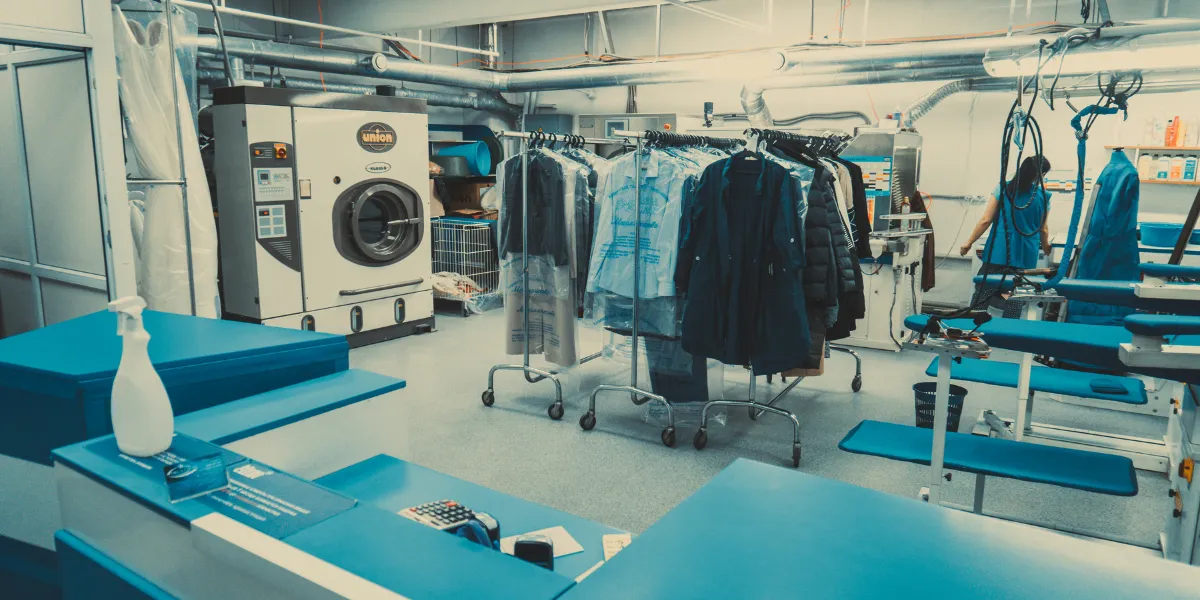
A coin laundry business can look deceptively simple from the outside. Customers bring their clothes, use a washer or dryer, pay for the cycle, and leave. There are no complicated menus, limited inventory, and relatively little traditional retail selling. But that simplicity can be misleading. A successful laundromat requires careful location research, substantial upfront investment, reliable equipment, strong cost control, and a clear understanding of the customers who will use it.
In Canada, the opportunity can be attractive in communities with rental-heavy housing, apartment buildings, students, newcomers, and households without convenient in-unit laundry. At the same time, high commercial rents, utility costs, equipment prices, maintenance, insurance, and financing expenses can quickly turn a promising location into a poor investment.
The real question is not whether a coin laundry business can make money. It can. The better question is whether a particular location, lease, equipment mix, pricing model, and customer base can produce enough revenue to justify the investment.
This guide explains how the business works, what it can cost to launch, how laundromat owners generate revenue, what affects profitability, and what you should investigate before signing a lease or purchasing equipment.
How a Coin Laundry Business Works
A coin laundry, commonly called a laundromat or self-service laundry, provides customers with access to commercial washing machines and dryers for a fee. Unlike a traditional laundry service, the customer generally handles sorting, washing, drying, and folding their own clothes.
The business model is relatively straightforward. The owner invests in a suitable location, commercial-grade equipment, utilities, payment systems, security, and the physical space. Customers then pay for individual machine cycles.
Revenue can come from several sources:
- Washer usage
- Dryer usage
- Vending machines
- Laundry products
- Change machines
- Wash-and-fold services
- Pickup and delivery
- Commercial laundry accounts
- Additional customer services
The simplest laundromat relies heavily on self-service machine revenue. However, many modern operators add services that increase revenue per customer.
For example, a customer who initially visits only to use a washing machine might also purchase detergent from a vending machine or pay for a wash-and-fold service.
The economics depend heavily on utilization. A machine sitting unused for most of the day generates little revenue regardless of how expensive or impressive it looks.
That is why location is often more important than simply buying the newest equipment.
Why Location Matters So Much
A laundromat needs recurring local customers. People rarely want to drive long distances just to wash ordinary household clothing.
Before choosing a location, examine:
- Nearby apartment buildings
- Rental housing density
- Student populations
- Household income
- Number of homes without in-unit laundry
- Parking availability
- Public transit
- Nearby competitors
- Pedestrian traffic
- Visibility from the road
- Crime and safety conditions
- Commercial rent
A location with thousands of nearby renters may be more attractive than a prestigious retail area where most residents already have washers and dryers at home.
The goal is not maximum traffic. It is relevant traffic.
Is a Coin Laundry Business Profitable in Canada?
A coin laundry business can be profitable, but profitability varies dramatically from one location to another.
Two laundromats with identical equipment can produce completely different results because their customer bases, rents, utility costs, machine utilization, pricing, and competition are different.
Revenue is primarily driven by machine usage.
A simple conceptual calculation looks like this:
Monthly washer revenue = number of washers × average paid cycles per day × average price per cycle × operating days
The same principle applies to dryers.
However, this calculation is only a starting point. Actual revenue can be influenced by machine capacity, cycle length, customer volume, pricing, seasonal patterns, promotions, payment methods, and equipment downtime.
Expenses then reduce gross revenue.
Typical expenses include:
- Commercial rent
- Electricity
- Natural gas
- Water and sewer
- Equipment maintenance
- Repairs
- Insurance
- Cleaning
- Security
- Payment processing
- Internet
- Payroll
- Marketing
- Taxes
- Financing costs
- Equipment replacement reserves
A laundromat can therefore have strong gross revenue and still produce disappointing net profit if expenses are poorly controlled.
The Biggest Profitability Variables
When evaluating a potential location, focus on the factors that have the greatest impact.
These commonly include:
- Machine utilization
- Average price per cycle
- Number and size of machines
- Rent
- Utility rates
- Maintenance costs
- Local competition
- Additional revenue streams
Do not let a seller convince you that a laundromat is profitable simply because it has high annual sales.
You need to know what remains after operating expenses.
Startup Costs for a Coin Laundry in Canada
Opening a laundromat can require a substantial investment. The cost depends heavily on whether you are building a new facility, converting an existing laundry space, or purchasing an established business.
The equipment itself can represent a major portion of the investment.
Potential startup expenses include:
- Commercial washers
- Commercial dryers
- Payment systems
- Change machines
- Plumbing
- Drainage
- Electrical upgrades
- Gas infrastructure
- Ventilation
- Water heating
- Flooring
- Lighting
- Interior renovations
- Exterior signage
- Security cameras
- Seating
- Folding tables
- Laundry carts
- Point-of-sale equipment
- Professional fees
- Insurance
- Permits
- Initial marketing
- Lease deposit
- Working capital
The physical infrastructure can be particularly expensive because commercial laundry machines require appropriate plumbing, drainage, electricity, gas or other energy connections, ventilation, and floor support.
This is why a cheap retail unit is not automatically a cheap laundromat location.
New Equipment vs Used Equipment
Buying new equipment provides advantages such as warranties, modern efficiency features, and predictable equipment condition.
Used equipment can reduce upfront costs, but it introduces greater uncertainty.
Before purchasing used machines, investigate:
- Age
- Previous usage
- Maintenance history
- Parts availability
- Energy efficiency
- Warranty
- Expected remaining lifespan
- Repair history
A machine that costs half as much upfront but requires frequent repairs may be more expensive over its useful life.
The right comparison is not simply purchase price.
Compare total cost of ownership.
Choosing the Right Location
Location is arguably the most important decision in the entire business.
A laundromat depends on repeat customers, so the surrounding population must contain enough people who actually need self-service laundry.
Look for areas with:
- High-density rental housing
- Older apartment buildings
- Student housing
- Basement apartments
- Shared accommodation
- Newcomer communities
- Limited in-suite laundry
- Reliable pedestrian or vehicle access
You should also physically visit the area at different times of day.
Do not rely entirely on demographic reports.
Visit competing laundromats.
Observe:
- How many customers are present
- Which machines are being used
- Whether customers wait for machines
- How clean the facility is
- Pricing
- Equipment age
- Customer behaviour
- Parking availability
- Opening hours
If the closest laundromat is constantly busy and customers are waiting for machines, that can indicate demand. But it can also mean the competitor is simply offering poor capacity.
You need to understand the reason behind the observed activity.
Evaluate the Lease Before Signing
The lease can make or break the business.
A laundromat needs long-term stability because you are investing heavily in equipment and infrastructure.
Before signing, understand:
- Base rent
- Additional rent
- Lease term
- Renewal options
- Rent increases
- Utility responsibilities
- Maintenance obligations
- Renovation permissions
- Signage rights
- Assignment rights
- Exclusivity provisions
- Permitted use
A short lease with major rent increases can be dangerous when you have invested heavily in plumbing and equipment.
Get professional advice before committing to a long-term commercial lease.
Understanding Laundromat Equipment
Commercial laundry equipment is designed for significantly heavier usage than typical residential machines.
The equipment mix should reflect the local customer base.
For example, a location serving families may need several large-capacity washers because customers often wash substantial quantities of clothing and bedding.
A student-heavy location might require more standard-capacity machines.
Your equipment strategy should consider:
- Washer capacity
- Dryer capacity
- Cycle duration
- Energy consumption
- Water consumption
- Maintenance requirements
- Machine reliability
- Payment compatibility
- Manufacturer support
Do not fill the facility with machines simply because more machines look impressive.
Every machine needs enough demand to justify its space and operating costs.
Why Large-Capacity Machines Matter
Large washers can be particularly useful because customers may be willing to pay a premium for the ability to wash bulky loads.
Think about:
- Bedding
- Blankets
- Towels
- Winter clothing
- Large family loads
A balanced machine mix can increase customer satisfaction while creating opportunities for higher revenue per visit.
However, large machines are also more expensive and occupy more floor space.
The right ratio depends on local demand.
Payment Systems: Coins Are No Longer the Only Option
Despite the term “coin laundry,” modern laundromats do not necessarily have to rely exclusively on coins.
Customers increasingly expect convenient payment options.
Depending on the equipment and system selected, a laundromat may offer:
- Coins
- Debit cards
- Credit cards
- Mobile payments
- Reloadable laundry cards
- App-based payments
Digital payment systems can make the customer experience easier and may provide useful business data.
For example, an operator may be able to monitor machine usage, identify downtime, review revenue patterns, and manage pricing through a centralized system.
However, payment technology comes with costs.
Consider:
- Processing fees
- Hardware costs
- Software fees
- Internet requirements
- Maintenance
- System reliability
A good strategy may be to provide multiple payment options rather than forcing every customer into one system.
Managing Utility Costs
Utilities can represent one of the largest operating expenses for a laundromat.
Washers consume water and electricity, while dryers typically require significant energy. Water heating also contributes to operating costs.
Efficiency therefore matters.
When evaluating equipment, consider:
- Water consumption per cycle
- Energy consumption
- Dryer efficiency
- Heating requirements
- Cycle duration
- Utility rebates or incentives
- Maintenance requirements
Do not select equipment solely because it has a low purchase price.
Suppose one washer costs less to buy but consumes substantially more water over thousands of cycles. The cheaper machine could produce higher operating costs over its lifetime.
Perform a total-cost analysis.
Monitor Utilities Monthly
Once the laundromat is operating, monitor utility bills regularly.
Unexpected increases can indicate:
- Leaking plumbing
- Equipment problems
- Inefficient machines
- Changes in customer usage
- Incorrect billing
- Water heating problems
Tracking utility costs against machine revenue can help identify whether the business is becoming more or less efficient.
Staffing and Daily Operations
A self-service laundromat may require fewer employees than many retail businesses, but “self-service” does not mean “no management.”
Someone must handle:
- Cleaning
- Machine inspections
- Customer issues
- Refund requests
- Restocking
- Maintenance coordination
- Security
- Cash handling, if applicable
- Payment system monitoring
- Supplier relationships
The staffing model depends on the facility size and operating hours.
Some laundromats use attendants during peak periods and reduced staffing during slower periods.
Others use cameras, remote monitoring, automated payment systems, and scheduled cleaning.
Cleanliness Is a Competitive Advantage
Customers are trusting your business with personal clothing.
A dirty or poorly maintained facility can quickly damage customer loyalty.
Regular cleaning should cover:
- Floors
- Folding tables
- Machine surfaces
- Laundry carts
- Washrooms
- Seating areas
- Windows
- Trash bins
Machines should also be inspected for leaks, unusual noises, damaged seals, and other issues.
A laundromat with older machines can still compete effectively if it is clean, safe, reliable, and well managed.
Security and Customer Safety
Security should be considered during site selection and facility design.
A laundromat may operate late at night or around the clock, which creates additional security considerations.
Potential measures include:
- Security cameras
- Bright interior lighting
- Exterior lighting
- Clearly visible entrances
- Emergency contact procedures
- Secure cash handling
- Employee presence during higher-risk periods
- Remote monitoring
The objective is not to make customers feel like they are entering a heavily guarded facility.
It is to create a clean, visible, well-maintained environment where customers feel comfortable returning regularly.
Security also protects the business from theft, vandalism, and equipment damage.
Adding Revenue Beyond Self-Service Laundry
One of the strongest ways to improve a laundromat’s economics is to increase revenue per customer.
Additional services may include:
Wash-and-Fold
Customers pay the business to wash, dry, and fold their clothing.
This can generate significantly more revenue per customer than self-service machines, but it requires labour and operational processes.
Pickup and Delivery
A pickup-and-delivery service can expand the customer base beyond people who physically visit the laundromat.
Potential customers include:
- Busy professionals
- Seniors
- Families
- Short-term rental operators
- Small businesses
However, delivery introduces transportation, scheduling, labour, and customer-service costs.
Commercial Accounts
Small businesses can provide recurring laundry demand.
Potential clients may include:
- Salons
- Spas
- Restaurants
- Cleaning companies
- Fitness businesses
- Hospitality operators
Commercial accounts can be attractive because they may provide recurring volume, but pricing must account for the additional handling and operational requirements.
Marketing a Coin Laundry Business
A laundromat does not necessarily need an enormous marketing budget.
Because the business is highly location-dependent, local marketing can be more useful than broad advertising.
Start with:
- Google Business Profile optimization
- Local SEO
- Clear exterior signage
- Maps visibility
- Local social media
- Apartment-building partnerships
- Referral offers
- Introductory promotions
- Community advertising
Your Google Business Profile should accurately show:
- Business name
- Address
- Phone number
- Hours
- Services
- Photos
- Payment options
Encourage genuine customers to leave reviews.
Reviews matter because people often want reassurance that a laundromat is clean, safe, affordable, and reliable before visiting.
Target Nearby Apartment Communities
Apartment residents are a natural customer segment.
Instead of spending heavily on broad advertising, consider developing relationships with nearby property managers where appropriate.
Potential partnerships could involve:
- Move-in information
- Resident discounts
- Promotional materials
- Referral arrangements where legally and commercially appropriate
The closer the customer lives to your location, the more convenient your service becomes.
Buying an Existing Coin Laundry Business
Starting from scratch is not your only option.
Buying an existing laundromat can provide immediate access to equipment, customers, location, and operating history.
But buying an existing business creates a major due-diligence challenge.
Never rely solely on the seller’s stated revenue.
Request evidence such as:
- Tax returns
- Bank statements
- Utility bills
- Lease documents
- Equipment records
- Maintenance invoices
- Payment system reports
- Sales records
- Payroll information
- Insurance records
Compare the information across multiple sources.
If the seller claims annual revenue of $500,000 but the documented deposits and machine usage do not support that number, stop and investigate.
Evaluate Equipment Age Carefully
An established laundromat may appear profitable because the machines are fully depreciated.
But if most machines need replacement soon, you are effectively buying a business with a large capital expenditure approaching.
Ask:
- How old is each machine?
- Which machines are frequently repaired?
- Are parts still available?
- When were major components replaced?
- What is the expected replacement schedule?
The purchase price should reflect future capital requirements.
Financing a Coin Laundry Business
The upfront investment can be significant, so many entrepreneurs consider financing.
Potential sources can include:
- Traditional business loans
- Equipment financing
- Commercial lenders
- Vendor financing
- Personal capital
- Investor funding
Financing introduces another monthly expense.
When calculating profitability, include:
Operating profit − debt payments = cash available after financing
Do not confuse accounting profit with actual cash flow.
A business may show positive operating income while having insufficient cash to comfortably service debt and replace equipment.
Before borrowing, model different scenarios.
What happens if revenue is 20% lower than expected?
What happens if utilities increase?
What happens if two major machines fail in the same month?
A resilient business should be able to survive reasonable downside scenarios.
Legal, Licensing and Insurance Considerations
The exact legal requirements for a laundromat depend on the province, municipality, business structure, building, equipment, and services offered.
Before opening, investigate applicable:
- Business registration requirements
- Municipal licensing
- Zoning
- Building permits
- Plumbing requirements
- Electrical requirements
- Fire and safety requirements
- Sign permits
- Accessibility requirements
- Environmental or wastewater requirements
- Employment rules
- Insurance requirements
Do not assume the previous tenant’s approvals automatically transfer to your business.
You should also discuss insurance with a qualified broker.
Coverage may need to address risks such as:
- Property damage
- Equipment breakdown
- General liability
- Business interruption
- Theft
- Customer injury
The insurance requirements can change if you add pickup and delivery, wash-and-fold, or commercial accounts.
A Practical Break-Even Analysis
Before investing, calculate your break-even point.
Suppose your fixed monthly costs include:
- Rent
- Insurance
- Base staffing
- Internet
- Software
- Loan payments
- Administrative expenses
Then estimate variable expenses such as:
- Water
- Electricity
- Gas
- Payment processing
- Supplies
Your break-even revenue is the level at which total revenue covers total expenses.
A simple conceptual formula is:
Break-even revenue = fixed costs ÷ contribution margin
The actual calculation can be more complex because laundromats generate revenue from multiple machines and services.
Still, the principle is useful.
If your projected revenue is only slightly above break-even, the investment is fragile.
If modest customer declines would push the business into losses, you may need a better location, lower rent, different equipment, or a different business model.
Frequently Asked Questions
Is a coin laundry business profitable in Canada?
Yes, a coin laundry business can be profitable in Canada, but profitability depends heavily on location, customer demand, rent, equipment utilization, utility expenses, pricing, maintenance, and competition. High revenue does not automatically mean high profit. A proper financial model should be completed before investing.
How much does it cost to start a coin laundry business in Canada?
There is no single startup cost because the investment varies significantly based on location, equipment, renovation requirements, lease terms, and whether you are opening a new laundromat or purchasing an existing one. Commercial washers and dryers, plumbing, electrical work, ventilation, water heating, and working capital can make the initial investment substantial.
What is the best location for a laundromat?
Locations with a high concentration of renters, apartments, students, shared housing, and households without convenient in-home laundry can be attractive. However, competition, rent, parking, safety, visibility, utilities, and accessibility must also be evaluated.
Do laundromats still use coins?
Many laundromats still accept coins, but modern facilities increasingly offer card, mobile, or app-based payment options. Offering multiple payment methods can improve convenience and potentially provide operators with better transaction and machine-use data.
Should I start a laundromat or buy an existing one?
Neither option is automatically better. Starting from scratch gives you more control over equipment, layout, branding, and systems, while buying an existing laundromat can provide an established location and customer base. An existing business must undergo rigorous financial and equipment due diligence before purchase.
Final Thoughts
A coin laundry business can be an attractive Canadian small-business opportunity, but it is not passive income simply because customers operate the machines themselves.
The strongest laundromats are built around fundamentals: a strong location, appropriate equipment, manageable rent, efficient utilities, reliable machines, consistent cleanliness, effective security, sensible pricing, and disciplined financial management.
The biggest mistake is focusing on machine revenue while ignoring the expenses required to generate that revenue.
Before signing a lease or purchasing a laundromat, calculate expected machine utilization, utility costs, maintenance, staffing, insurance, financing, taxes, and future equipment replacement. Then test the numbers against a conservative scenario.
If the business only works when every machine is busy, rent remains low, utilities stay flat, and repairs are minimal, the model is probably too fragile.
If the numbers remain viable under realistic conditions, you have something worth investigating further.
A laundromat is ultimately a local-demand business. The right location can create recurring customers and predictable usage, while the wrong location can leave expensive machines sitting idle.
Do the research before spending the money. The quality of your due diligence will matter far more than how attractive the machines look on opening day.